You’ll gain practical safety and handling skills to protect dogs and yourself, plus reliable ways to read canine body language so you can prevent stress and injuries dog grooming courses. Training teaches breed‑specific cuts, tool choice, and efficient workflows that keep results consistent and professional. You’ll learn to spot skin, coat, and health issues, communicate clearly with clients, and set pricing that reflects your value. Stick with this overview and you’ll uncover how training boosts quality, trust, and income.
Why Formal Training Matters for Safety and Confidence
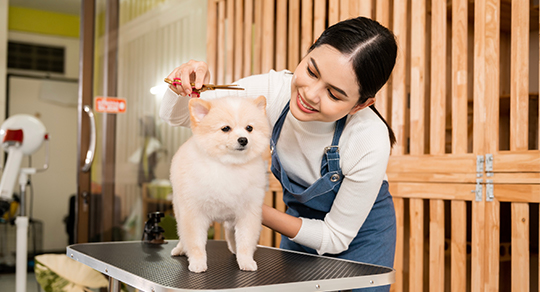
Because grooming involves sharp tools, unpredictable animal behavior, and close contact, formal training gives you the structured skills and protocols that keep both you and the dogs safe. You learn hands on safety techniques—proper restraint, tool handling, and emergency responses—so you can act calmly when a dog reacts. Training builds confidence building through repeated, supervised practice and clear feedback, letting you take measured risks and choose your own path with competence. You’ll master assessment skills to read canine signals, reduce stress https://cosmos.petuniverse.com/dog-grooming-course/, and prevent incidents before they start. That disciplined foundation frees you to work efficiently and creatively without compromising care. In short, formal instruction equips you with predictable routines and the self-assurance that true freedom requires.
Mastering Breed-Specific Cuts and Coat Care
Having a solid safety and assessment foundation lets you focus on the technical and aesthetic skills each breed requires. You learn to read breed patterns and respect proportions so your cuts honor function and style. Training refines how you handle varied coat textures, choosing tools and techniques that preserve movement and silhouette. You gain the confidence to adapt classic looks while keeping dogs comfortable and mobile.
- Study official breed standards and photographic references
- Match clipper blades, shears, and combs to coat textures
- Sequence steps to maintain balance and efficient workflow
- Practice hand-stripping, scissoring, and sanitary trims with intent
This mastery gives you freedom to create consistent, breed-appropriate results with care and clarity.
Understanding Skin, Coat Conditions, and Health Indicators
As you examine a dog before grooming, focus first on skin texture, coat condition, and any unusual signs—these clues tell you about underlying health and guide safe, effective grooming choices. You’ll learn to recognize dryness, oiliness, rashes, parasites, and alopecia patterns that suggest specific coat disorders. Use systematic skin diagnostics: part the hair, note color changes, palpate for heat or lumps, and document findings before proceeding. That information directs safe product selection, clipping depth, and referral to a veterinarian when needed. Stay observant without overhandling; your calm efficiency protects the dog and preserves its freedom. Precise records and consistent inspection routines make your grooming professional, reduce risks, and support better long-term skin and coat outcomes.
Professional Handling and Canine Behavior Techniques
You’ll learn safe restraint methods that protect both you and the dog while allowing necessary access for grooming. Pay attention to posture, tail position, ear carriage, and subtle facial cues so you can read canine signals before tension escalates. With calm handling and clear observation you’ll reduce stress and keep sessions efficient and secure.
Safe Restraint Methods
When handling a nervous or reactive dog, use restraint methods that prioritize safety and calm control—comfortable, properly fitted equipment, minimal force, and clear body language work best. You’ll choose tools and techniques that respect the dog’s autonomy while keeping everyone safe. Consider muzzle alternatives when full muzzling isn’t needed, and practice low stress lifts to move a dog without triggering panic. Train with gradual exposure, rewards, and firm but gentle guidance.
- Use a well-fitted harness that distributes pressure evenly.
- Offer muzzle alternatives like soft wraps or basket-style options for short procedures.
- Employ low stress lifts with steady, coordinated movements and verbal reassurance.
- Limit raw restraint time; release as soon as the dog’s relaxed.
You’ll stay calm, consistent, and freedom-minded in your choices.
Reading Canine Signals
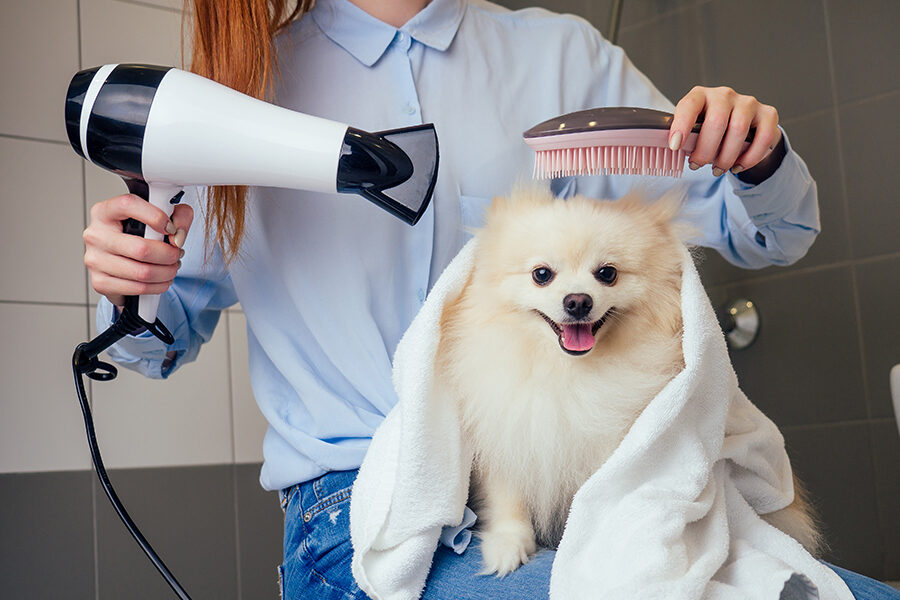
Often you’ll notice a dog’s mood before they move—subtle tail, ear, and eye changes give early clues about comfort or stress. You learn to read body language so you can act calmly and let the dog stay in control where possible. Watch for tightened lips, whale eyes, lip licking, yawning, or freezing; these stress signals tell you to pause, soften your touch, or change position. You’ll calibrate approach speed, pressure, and vocal tone to encourage cooperation rather than force it. In practice you’ll pair observation with gentle cues: pause when stress signals rise, reward relaxed posture, and resume only when the dog chooses. That respectful rhythm keeps both grooming efficient and the dog’s freedom intact.
Boosting Efficiency, Quality, and Client Satisfaction
You’ll learn how streamlined techniques and safe handling cut grooming time while protecting each dog’s comfort and well-being. By standardizing steps and quality checks, you’ll deliver consistent, professional results every visit. Clear intake, pricing, and follow-up communication will keep clients informed and satisfied, reducing misunderstandings and repeat issues.
Faster, Safer Grooming
Speed up your workflow without cutting corners by adopting techniques that keep grooming safer for dogs and staff while improving finish quality. You’ll learn practical speed techniques that reduce unnecessary handling and prioritize injury prevention, so your pace reflects skill, not rush. Train in ergonomic tool use, calm handling, and staged drying to cut minutes without stress. You’ll also refine assessment routines that catch trouble early and prevent accidents.
- Master ergonomic clipper and shear grips for steady, faster cuts
- Use calm restraint sequences that minimize struggle and time
- Implement quick, safe drying stations to finish efficiently
- Adopt checklists that spot skin or mobility risks before work
This approach frees you to deliver swift, secure grooming reliably.
Consistent, High-Quality Results
Faster, safer techniques give you room to focus on repeatable quality, because efficiency only matters when results stay consistent. You’ll adopt consistent standards that remove guesswork from each groom, so every dog leaves looking and feeling its best. Training teaches measurable steps and checkpoints, letting you reproduce styles without constant rethinking. That predictability boosts client trust and frees you to take on more work without sacrificing care. Built-in quality assurance helps you spot errors early and correct them before they affect outcomes, reducing rework and stress. As you refine systems, you gain creative freedom to specialize or scale, confident that your core service remains reliable. Consistency like this turns competence into a dependable business advantage.
Clear Communication Processes
Clear communication processes keep everyone on the same page from booking to pickup, so you can prevent misunderstandings that slow service or compromise care. You set clear expectations early, outline grooming steps, timing, and pricing, and empower clients to choose options that suit their lifestyle. When your team follows consistent scripts and digital confirmations, efficiency rises and stress falls.
- Confirm appointments and services in writing
- Share pre-visit instructions and health notes
- Use checklists during grooming to make certain consistency
- Solicit and act on client feedback loops promptly
You’ll foster trust, reduce rework, and free yourself to focus on quality. Clear pathways for questions and adjustments let clients feel confident and liberated, improving satisfaction and repeat business.
Growing Your Career, Credibility, and Earning Potential
Build your reputation deliberately by mastering both grooming techniques and the business skills that let you command higher rates. You’ll pursue career advancement through certifications, mentorships, and a portfolio that proves consistent results. Invest time in client relations, online presence, and niche specialties so your work speaks for you and referrals grow.
Refine a clear pricing strategy that reflects skill, overhead, and demand; don’t undercut yourself to win clients. Track metrics—appointment length, product costs, repeat bookings—to make pricing decisions that sustain freedom and scalability. Seek continued education to stay current, negotiate higher pay, or launch a mobile or boutique service. When you pair craft with strategy, you increase credibility and create predictable, expanding income without sacrificing autonomy.
Conclusion
By choosing formal dog grooming training, you’ll build safe, confident handling skills and precise breed-specific techniques that protect pets and boost your credibility. You’ll learn to spot skin and coat issues early, manage behavior calmly, and deliver consistent, efficient results clients trust. That competence increases satisfaction, referrals, and earning potential while advancing your career. Invest in professional education, and you’ll work smarter, care better, and grow both reputation and income with steady, measurable progress.